
Every missed call is a patient who booked somewhere else. I build clinic websites wired to an AI receptionist that answers in seconds, books the appointment, and cuts no-shows with reminders — days, nights and weekends, straight into your calendar.
Free 20-minute call. No pitch, no obligation.
“I was rear-ended on Sunday. Do I have a case?”
Thanks for reaching out — I’m sorry that happened. I can’t advise on your case, but I can get you in front of one of our attorneys. Were you injured, and was a police report filed?
“Yes to both. Report was filed Sunday night.”
Understood. Attorney Reed handles personal injury. She has Monday 9:30am or 2:15pm — which suits?
New patients don’t call when it’s convenient for you. They call on a lunch break, after a filling cracks at 9pm, on a Sunday when a child is in pain. Your front desk is with a patient, on another line, or gone home — so it rings out. And a patient in pain doesn’t leave a voicemail; they call the next clinic on Google.
A missed call isn’t a missed call. It’s a patient who just became someone else’s.
Meanwhile the no-shows quietly drain the schedule: the appointment booked three
weeks ago that nobody confirmed, the gap that could have gone to a waiting patient.
This is the first thing every principal asks, so here’s the answer up front: it books
appointments — it never diagnoses, advises, or discusses treatment. It collects the
reason for the visit and gets the patient in front of you.
The design principle: it knows what it doesn’t know. A receptionist that never sleeps
— not a clinician.
A fast site built for one action: book the appointment. Services clear, no maze.
Automatic reminders cut no-shows and let patients reschedule instead of ghosting.
You start the day with a confirmed schedule and the notes already attached.
Total time from enquiry to booked consultation: under 60 seconds. Even at 2am.
New-patient calls, emergencies and hygiene recalls: the highest-value bookings to never miss.
Consult bookings and deposits, with treatment-specific intake before they arrive.
Good — this doesn’t replace them. It covers the calls they can’t reach and the 128 hours a week the desk is closed, and hands them a
confirmed diary.
You don’t touch any of it. You arrive to a confirmed schedule with intake already done.
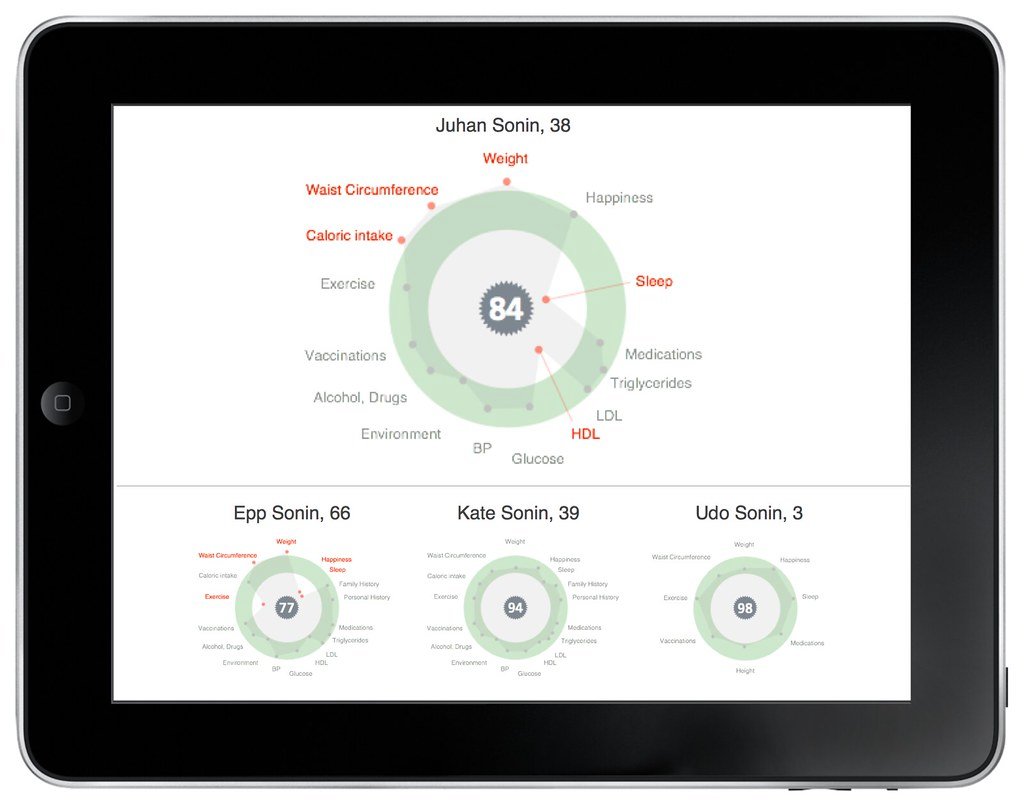
A few recent clinic builds — measured by booked appointments, not design awards. Demo names shown; real case studies on request.

Yes — handled with your privacy obligations in mind and reviewed before launch. It collects only what’s
needed to book.
Never. It books appointments and triages urgency; anything clinical goes to your team.
It books into your calendar and integrates with common PMS/EHR systems on the higher tier.
Urgent cases are flagged and escalated to a human immediately.
You decide the tone and disclosure. Most clinics keep it warm, branded and upfront.
Every package is built to pay for itself in booked appointments. Fixed quote before we start — no hidden fees, no lock-in.
Ongoing · cancel anytime
If the first concept isn’t right, walk away — no invoice, no hard feelings. Every monthly plan includes AI tuning, follow-up optimization, CRM upkeep, and a monthly booked-lead report. Cancel anytime — no lock-in.